Oddlet: Joseph Plateau · 1 min read
Jun 28, 2026
The Man Who Saw With His Ears
What does geometry sound like when you can only hear it described?
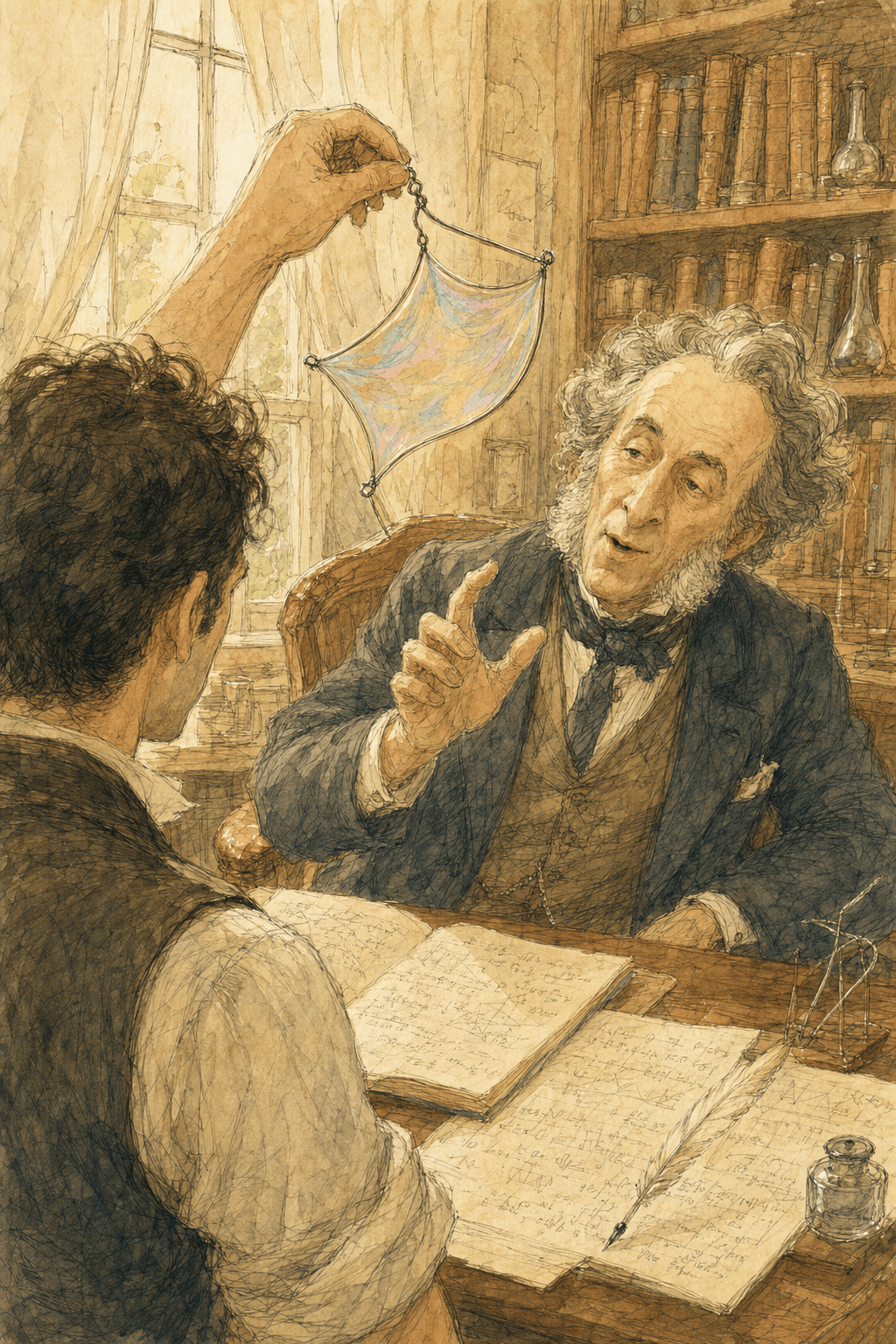
Joseph Plateau took his doctorate at Liège in 1829 and, that summer, decided to find out how long the retina holds an image. He stared at the noonday sun for twenty-five seconds. He was blind for several days, recovered partially, and by 1843, at forty-two, was totally blind for life.
The University of Ghent promoted him to full professor the next year.
He kept working. He had invented the phenakistiscope, the spinning disc of slits and pictures that taught the world how to fake motion, and he never saw a moving image. He turned instead to soap films. He had formulated a soap-and-glycerin solution that held a film for up to eighteen hours, and he wanted to know what shapes a film took on a wire frame at equilibrium. So his son Felix, his son-in-law Van der Mensbrugghe, and his colleagues dipped the frames. They held them up and called out every angle and curve they saw. What it sounded like in that room is not recorded. He listened. He dictated. Out of it came Plateau's Laws.
In 1873, thirty years after losing his sight, he published a two-volume treatise on the whole business.
A century later a mathematician named Jean Taylor proved every word of it correct.
Know someone who’d love this?
- Encyclopedia.com — Complete Dictionary of Scientific Biography entry on Plateau — Most detailed and authoritative source; provides exact career dates, timeline of blindness (1829 experiment → 1841 corneal inflammation → 1843 totally blind), names of assistants (E. Lamarle, F. Duprez, son Felix Plateau, son-in-law Van der Mensbrugghe), and the genesis of the Plateau problem with Jesse Douglas's 1931 solution.
- PubMed abstract — 'Life, eye disease and work of Joseph Plateau' (van Bogaert, 1990) — Medical/ophthalmological source confirming Plateau suffered from uveitis, became blind at age 42, with the uveitis ascribed to a previous solar retinitis from the sun-staring experiment.
- Popular Science Monthly Vol. 36 (March 1890), 'Sketch of A. F. J. Plateau' — Contemporary 19th-century biographical sketch; confirms 25-second duration of sun experiment in 1829, 12-year interval to total blindness in 1843, two years of painful treatment, the eleven memoirs (1843–1868) on free liquid masses, names of family supporters, the Waterloo butterfly story, and contains the 'Oh, if I could only see!' exclamation.
- Wikipedia — Joseph Plateau — Confirms birth/death dates and locations, 1832 invention of phenakistiscope, 1835 Ghent appointment, marriage date, son born 1841, daughter Alice's 1871 marriage to Van der Mensbrugghe; notes the medical uncertainty about whether the sun experiment directly caused his blindness.
The Drunk Friend
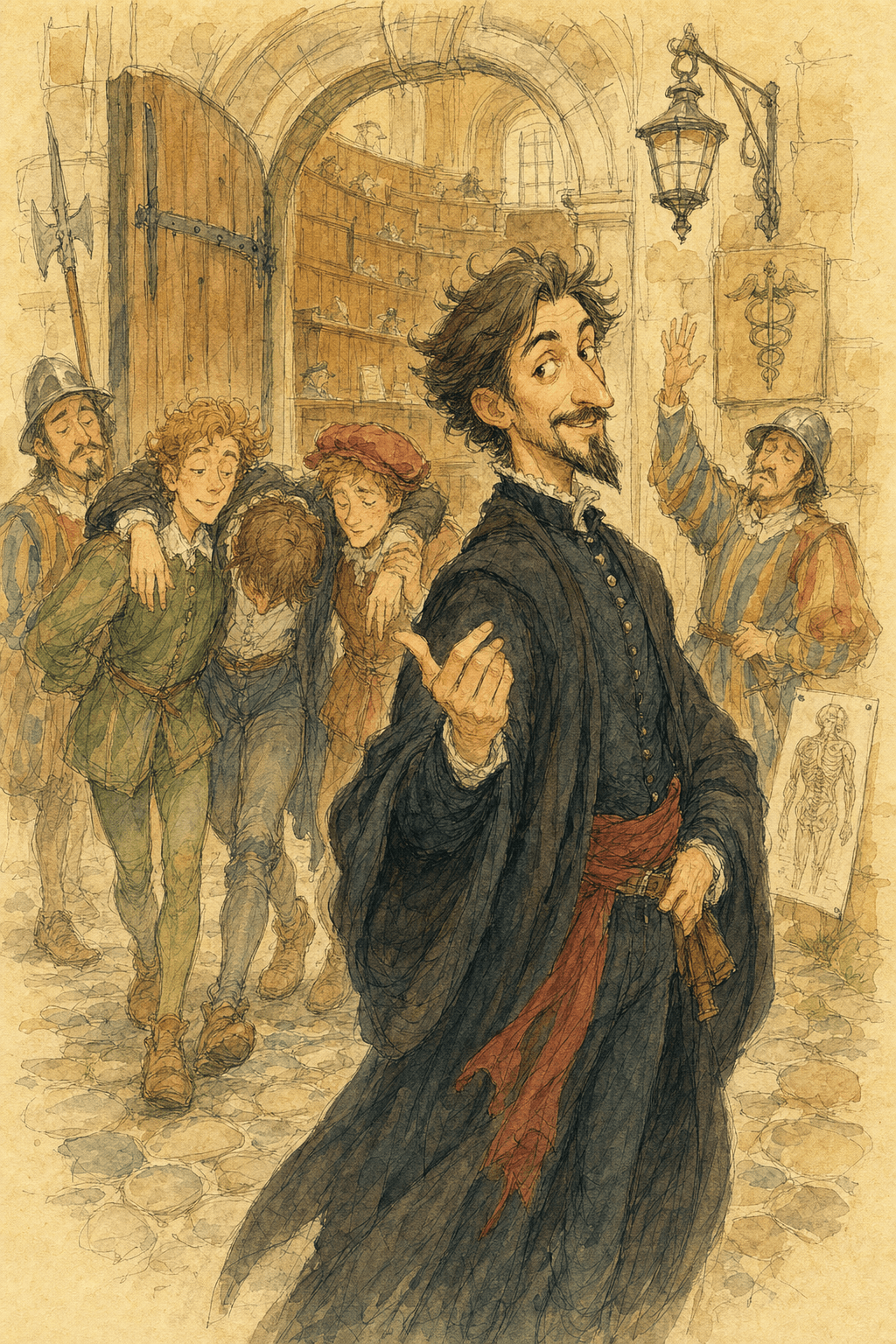
How do you smuggle a corpse past the city guards without anyone asking questions?
The Man Who Went Down
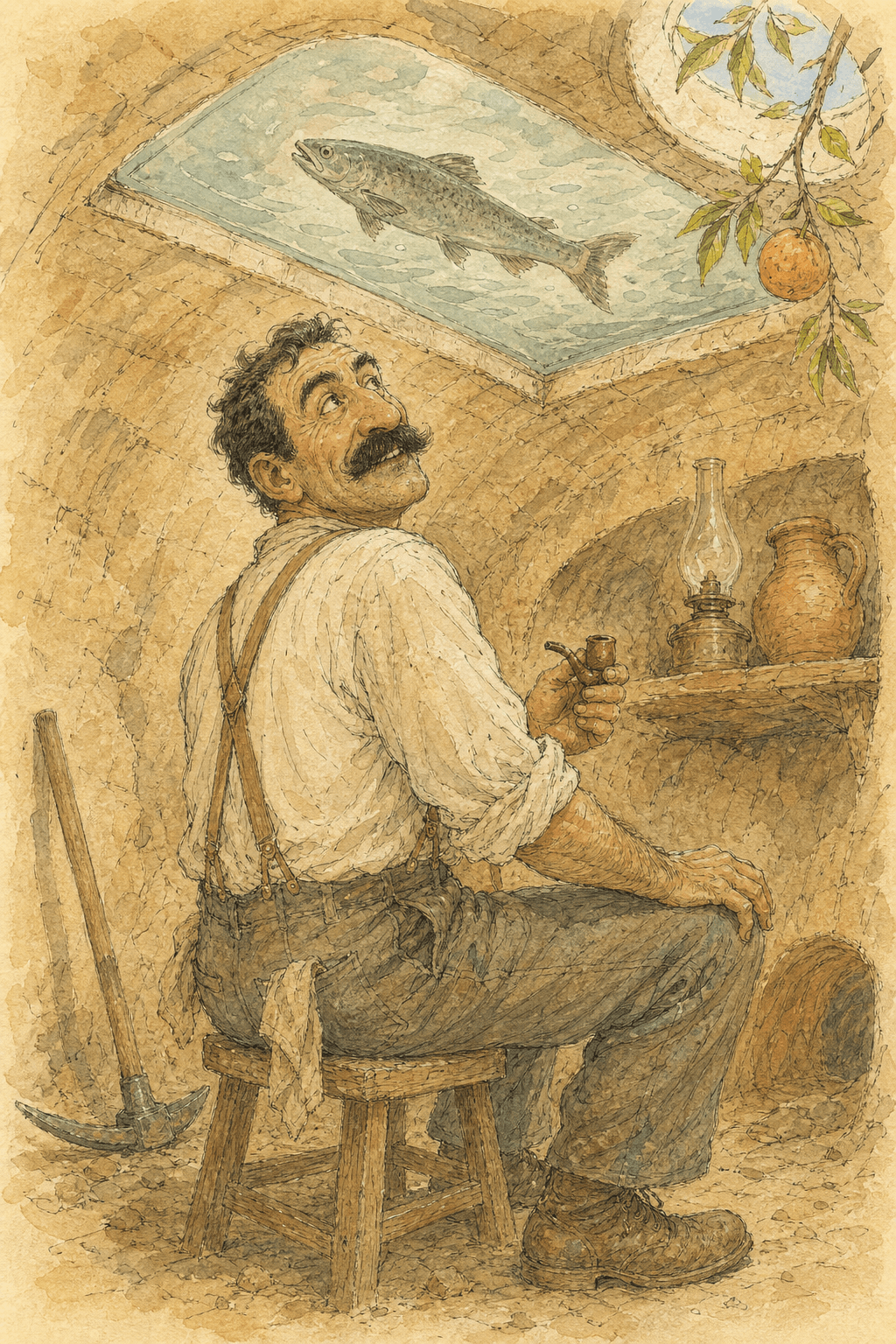
What do you do when you buy ten acres of California sunshine and discover it's a slab of rock at 120 degrees?
The Man Who Refused to Lose a Thought
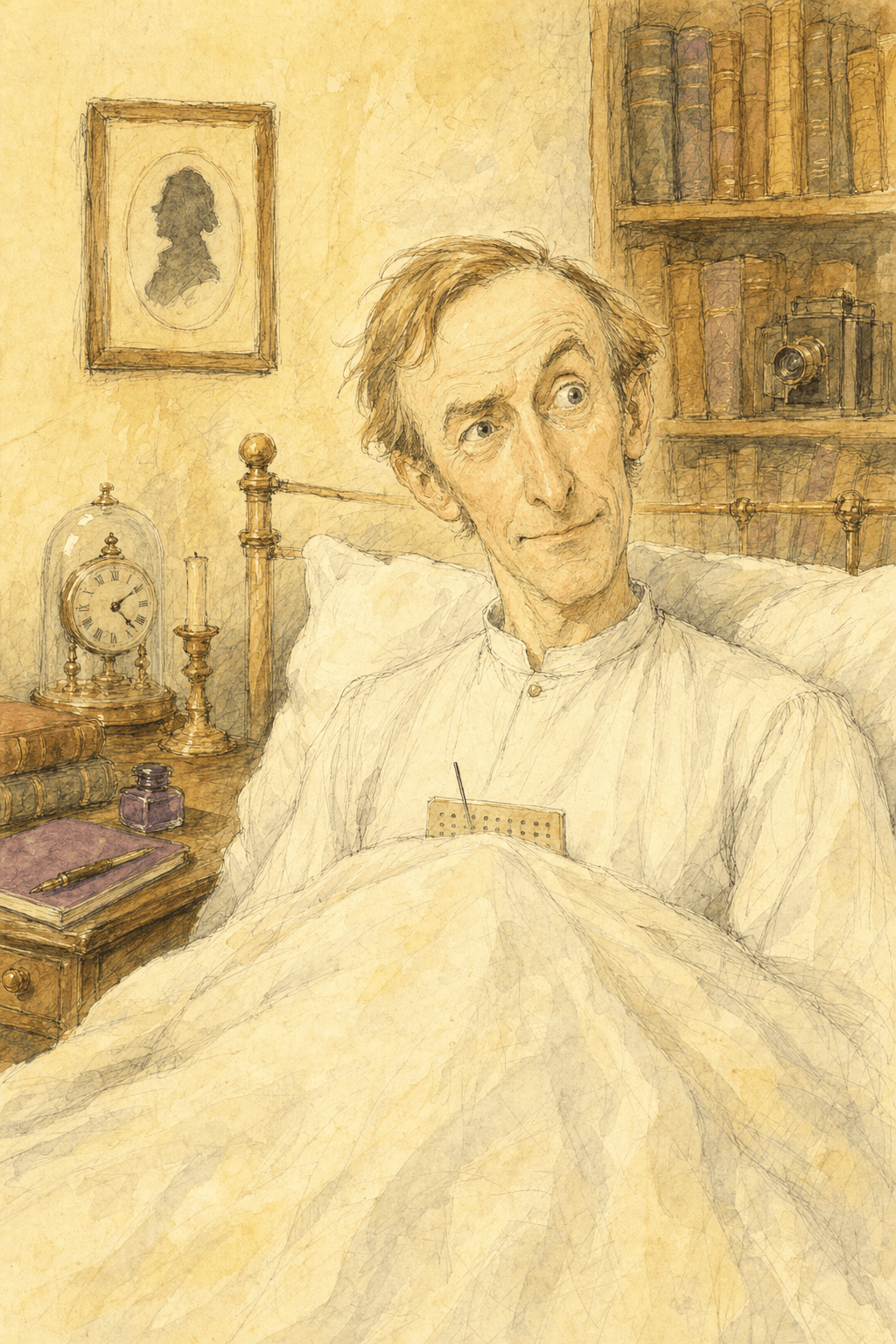
What does a Victorian mathematician invent when he refuses to lose a single thought to the dark?
Wonder, delivered.
A fresh Oddlet in your inbox every morning, a full day before everyone else. True, strange and under a minute.
Free forever. Unsubscribe anytime.