Oddlet: Cecilia Payne-Gaposchkin · 1 min read
Feb 11, 2026 · Updated Feb 20, 2026
The Woman Who Crossed Out the Stars
She discovered what stars are made of, then a famous man told her to cross it out and wrote it back in his own handwriting.
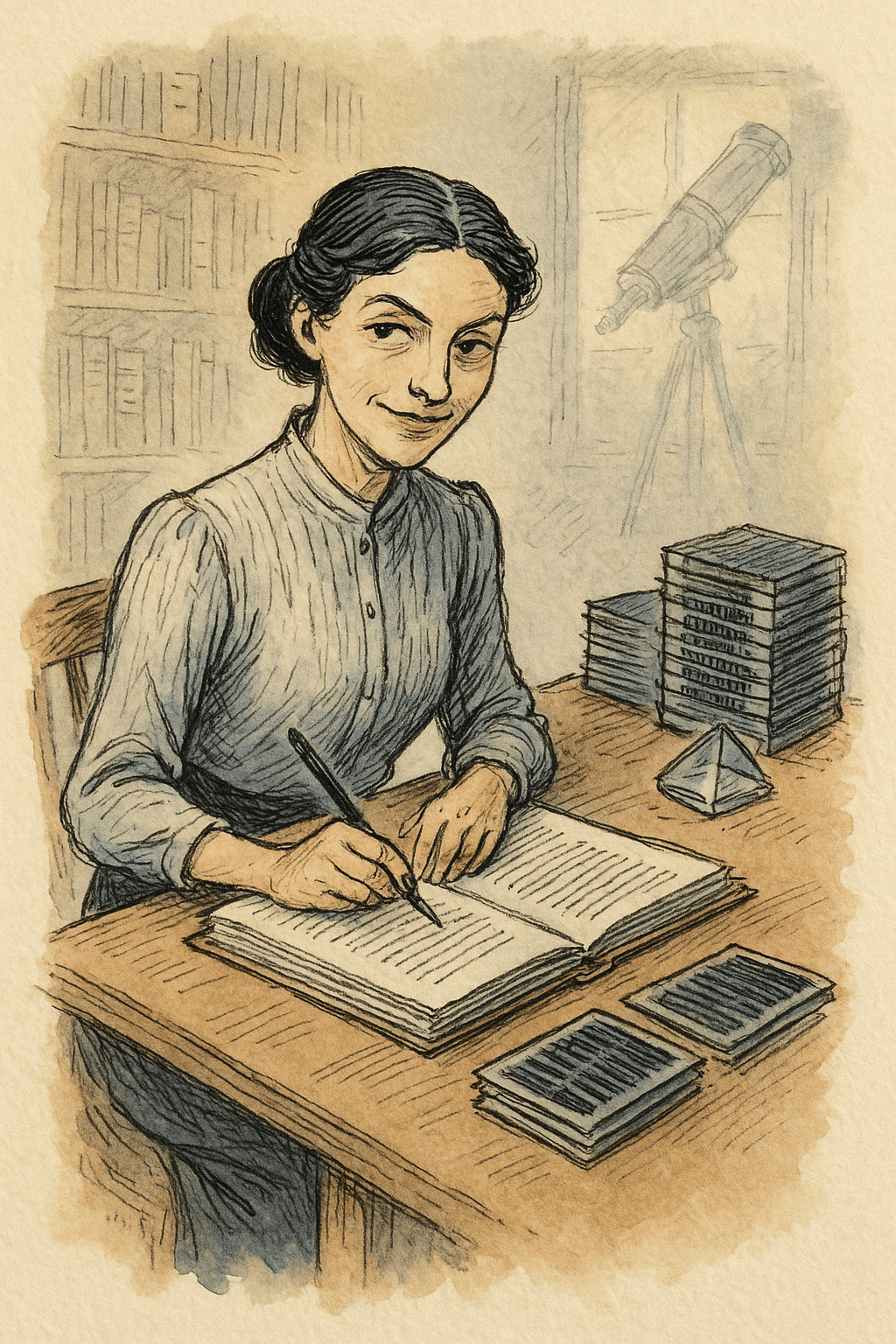
In 1925, Cecilia Payne wrote what astronomer Otto Struve would later call "undoubtedly the most brilliant Ph.D. thesis ever written in astronomy." She was twenty-five years old. Working at Harvard, she had analyzed stellar spectra and arrived at a conclusion that upended everything astronomers thought they knew: stars were made almost entirely of hydrogen and helium.
This was, at the time, considered absurd. The scientific consensus held that stars had roughly the same composition as Earth. Henry Norris Russell, one of the most powerful astronomers in America, reviewed her work and told her she was wrong. Her data, he said, could not possibly mean what she thought it meant.
So Payne did something she would regret for the rest of her life. She added a sentence to her own thesis describing her groundbreaking result as "almost certainly not real."
Four years later, Russell published a paper reaching the identical conclusion. He credited Payne in a footnote.
Harvard did not make her a full professor until 1956 — thirty-one years after she had correctly identified what the universe is mostly made of. She was not permitted to formally teach courses for decades. Her thesis gathered dust while the textbooks caught up to it.
She had discovered what stars are. Then a famous man told her to cross it out, and wrote it back in his own handwriting.
Know someone who’d love this?
What For
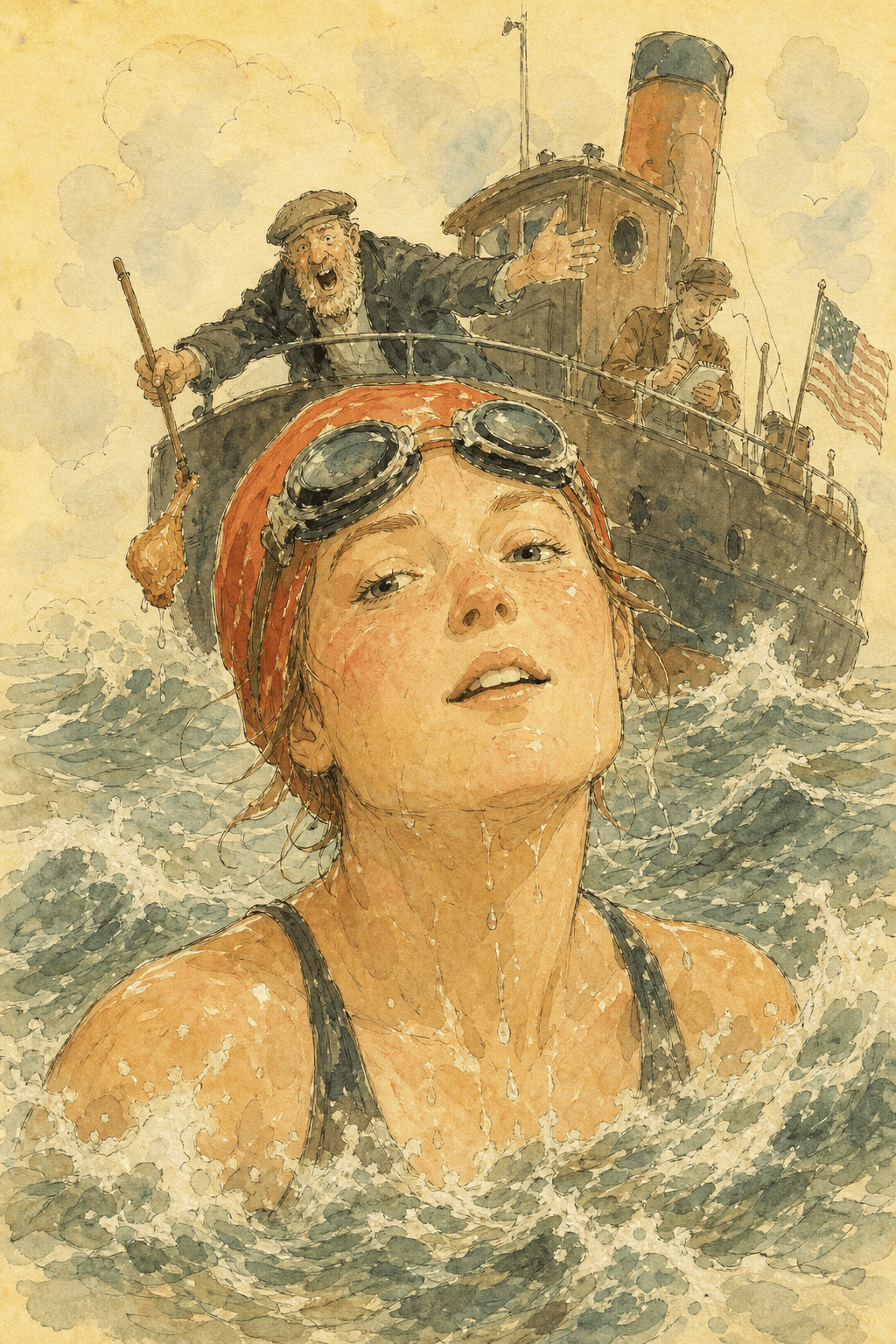
In 1926 a twenty-year-old swam the English Channel faster than any man alive — and her trainer spent the worst hour of it begging her to quit.
The Same Bone, Twice
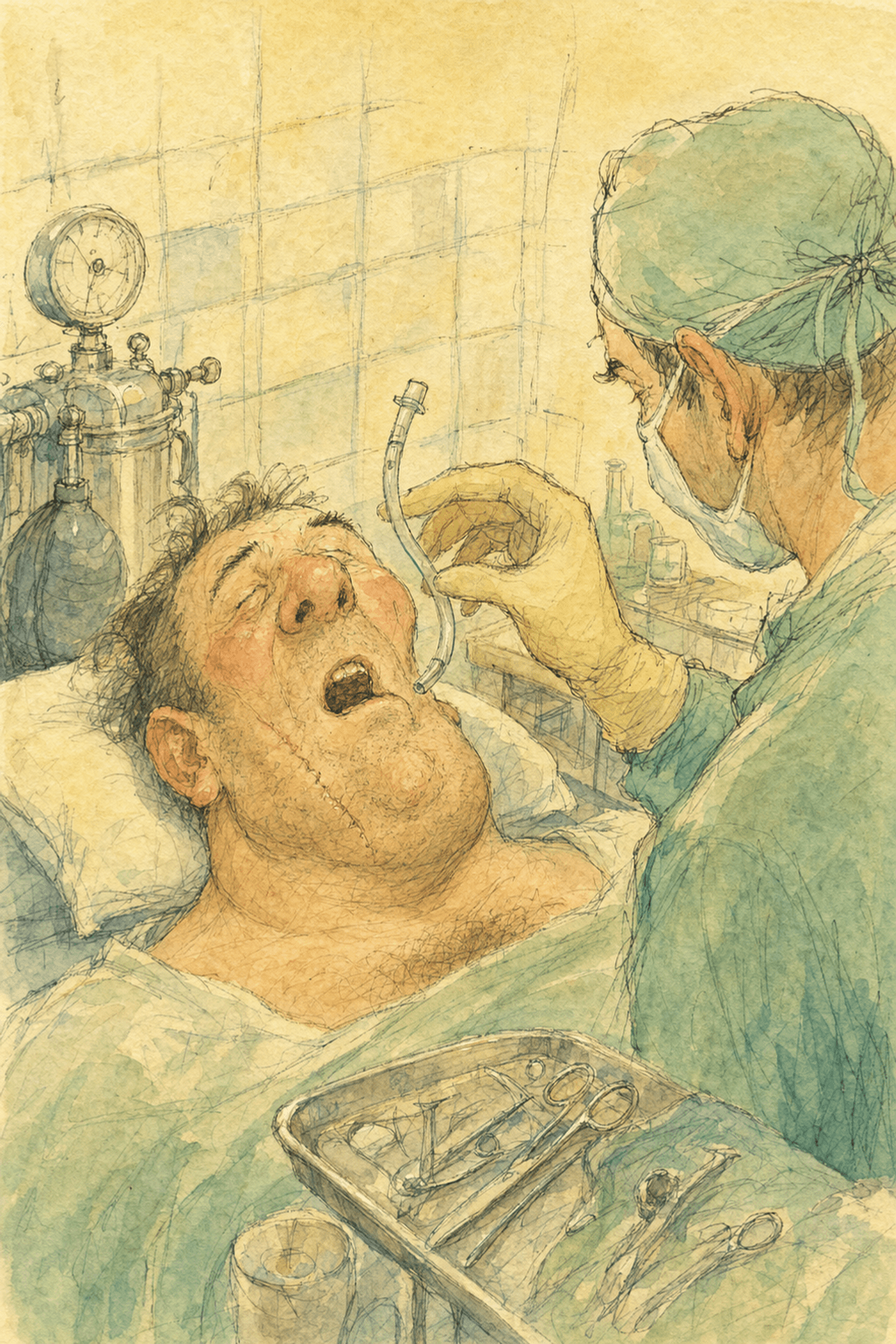
What does it take for a state to kill the same man twice, nearly thirty years apart, using the same injury?
Monsieur Le Blanc
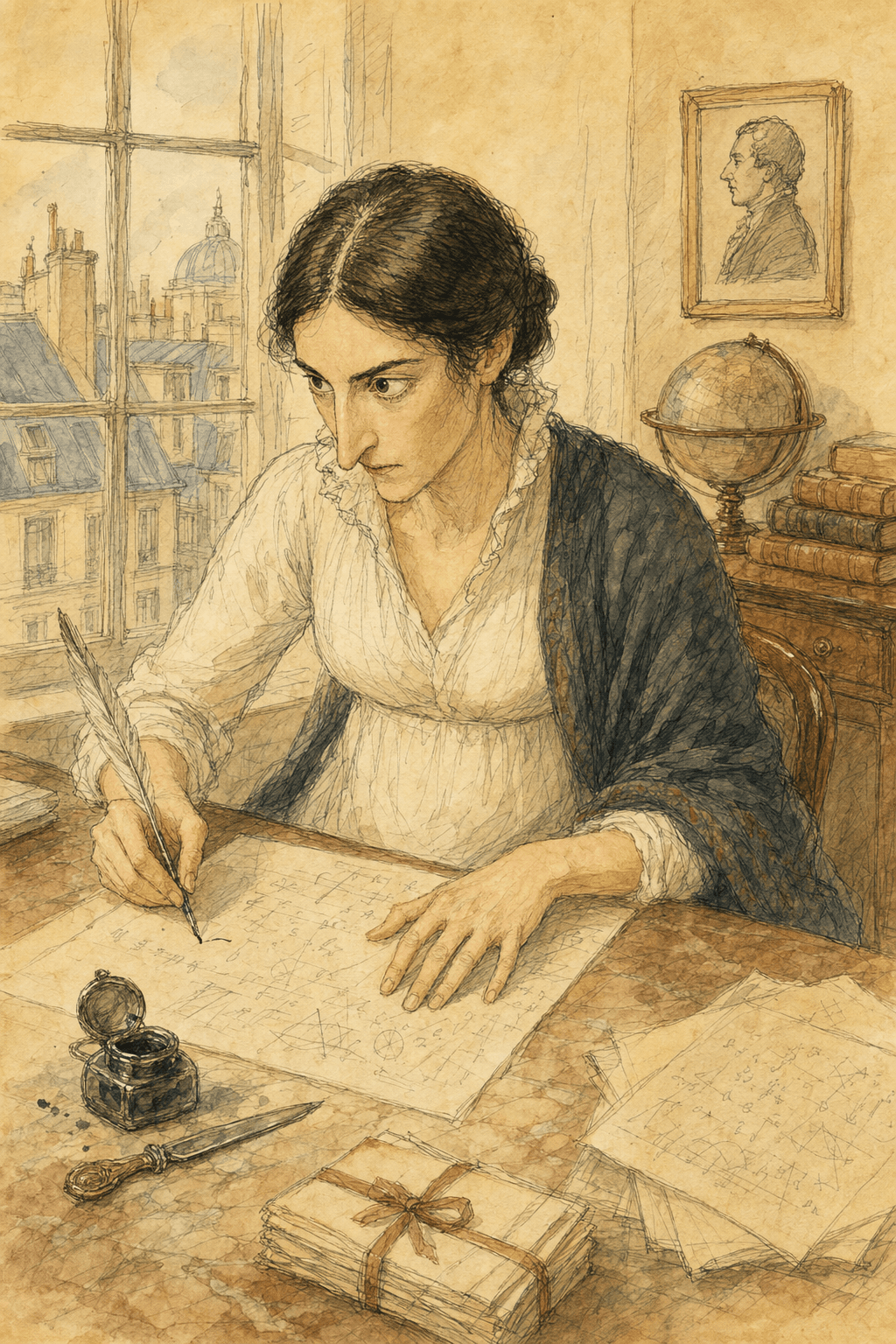
What do you do when you're convinced Napoleon's army is about to kill your pen pal mid-proof?
Wonder, delivered.
A fresh Oddlet in your inbox every morning, a full day before everyone else. True, strange and under a minute.
Free forever. Unsubscribe anytime.